Traditional home remedies
Real remedies handed down through farm and village kitchens — written the honest way. You get the actual recipe, how it was traditionally used, and the straight safety facts, with no exaggerated claims. These are comfort measures to use alongside your doctor’s care — never a replacement for prescribed medicine or an inhaler. If you have a health concern, a doctor comes first.
How these remedy guides are written
Every remedy on this page starts from something that was actually used — a drink, a steam, a poultice, or a food that farm and village households reached for long before packaged medicine was common. We write down the real recipe with real measurements, the way it was traditionally prepared, and the moment in the day people used it. Where a practice is soothing but does nothing for the underlying condition, we say so plainly. Where an ingredient can interact with medication or is unsafe in pregnancy, for young children, or with a specific diagnosis, that warning sits next to the recipe, not buried at the bottom.
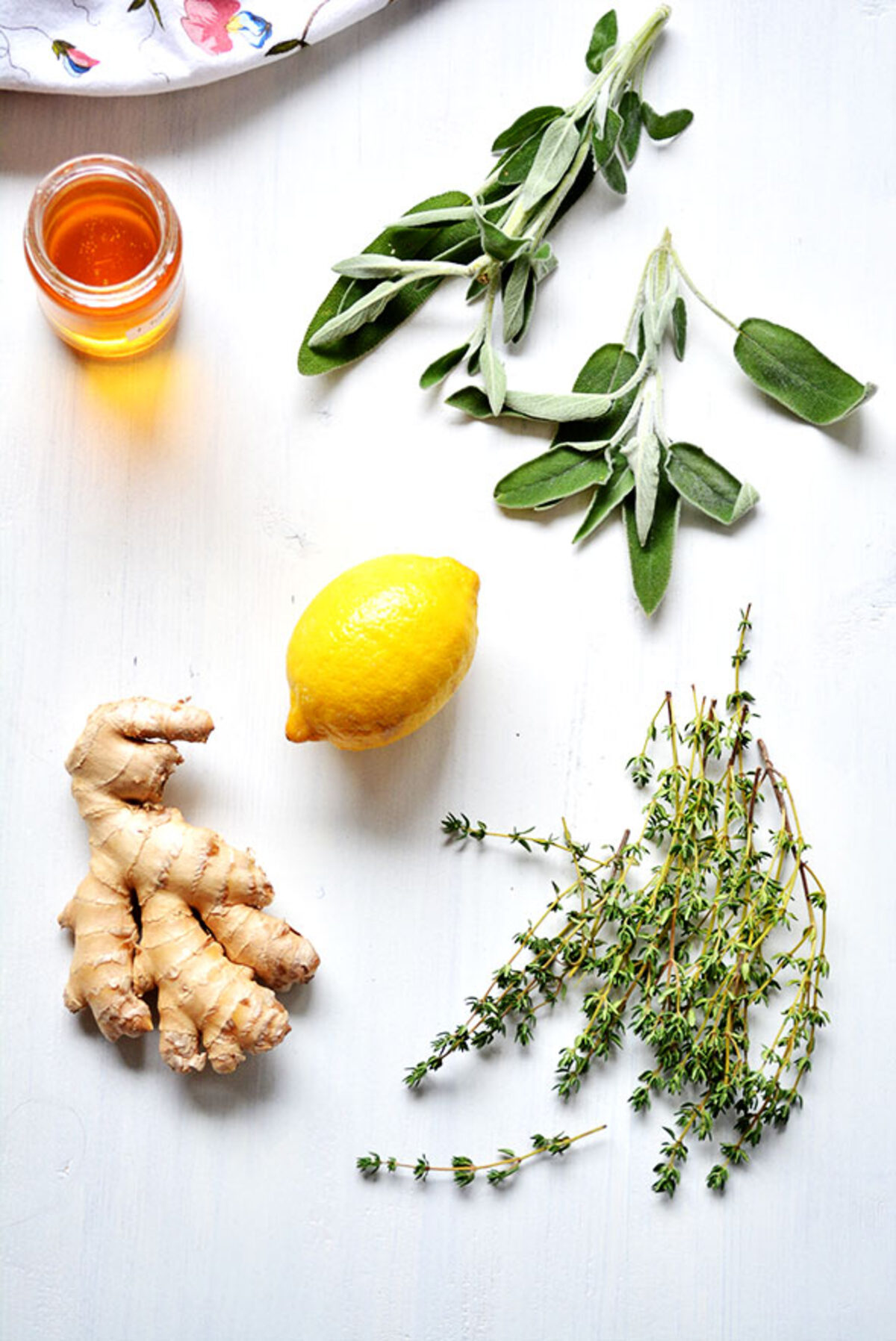
None of this replaces your doctor. A traditional comfort measure can sit alongside proper care — a warm honey-and-ginger drink while you rest through a cough, for example — but it is never a substitute for a prescribed inhaler, antibiotic, or treatment plan. If symptoms are severe, sudden, or getting worse, that is a reason to call a clinician, not to brew tea. Read each guide as honest reference on how a remedy has been used, then make the safe call for your own situation.
More remedies are added as they are researched and verified. These pages are editorial reference on traditional practice, not medical advice, and do not diagnose, treat, cure, or prevent any disease.