Ingredient guides
Most ingredient pages online are copied marketing. These are not. Each guide is written food-first — what the ingredient traditionally is, what the evidence actually supports (and what it doesn’t), and the practical checks that tell genuine material from the adulterated, over-processed filler most buyers end up paying for. No disease claims, no hype. If you have a health concern, a doctor comes first.
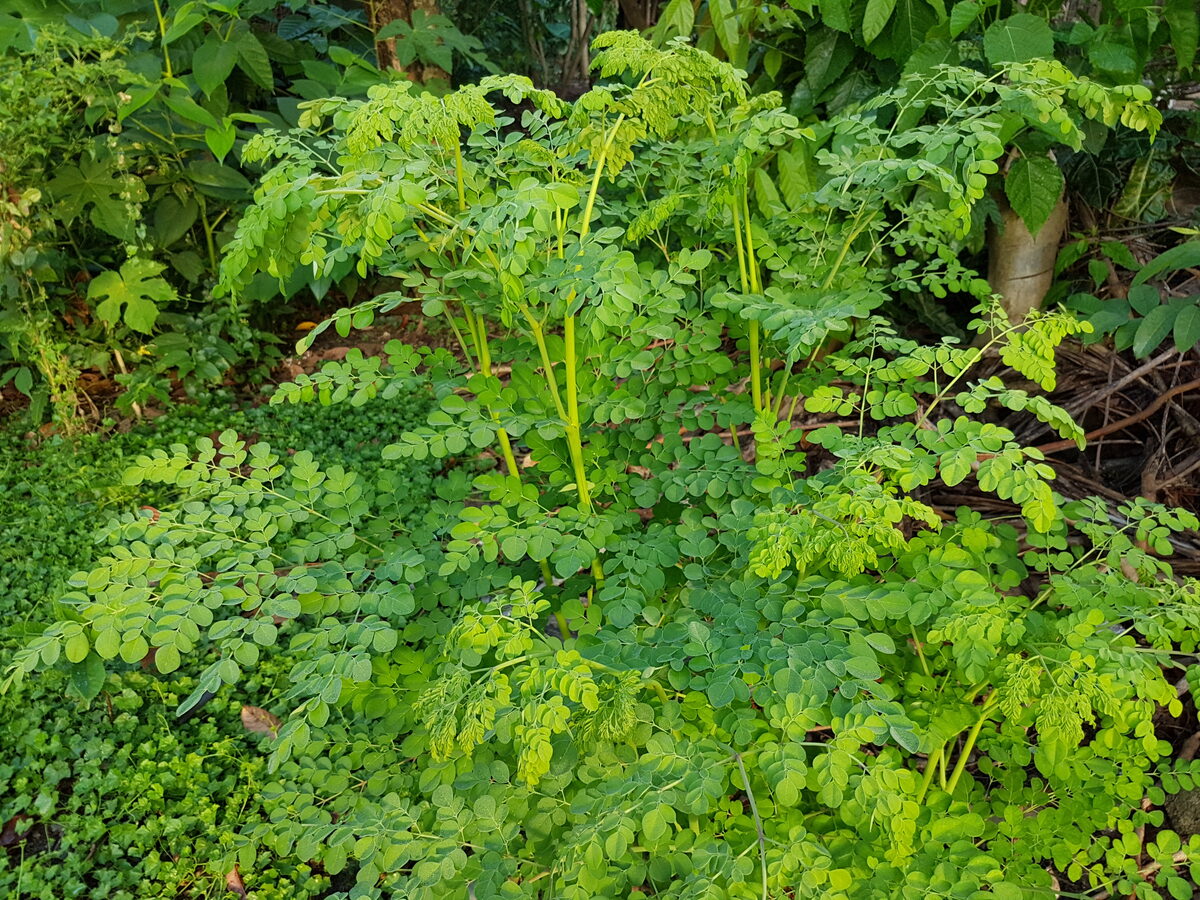
How to read an ingredient guide
Each guide opens with what the ingredient actually is — the plant, the part used, and the botanical name — because half the confusion in the supplement aisle comes from two very different herbs sharing a common name. From there we separate traditional use from proven effect: what households and herbalists have long done with it, and what controlled evidence does and does not support. If the research is thin or mixed, the guide says thin or mixed rather than dressing it up. The goal is that you finish knowing what the ingredient can reasonably do for a daily routine and what it cannot.
The part most marketing pages skip is quality. A lot of powder sold as a premium herb is over-processed, cut with filler, or standardised to the wrong compound — so every guide includes the practical checks that separate genuine material from the adulterated version most buyers end up paying for: how it should smell, look, and taste, what a real label discloses, and the red flags on a Supplement Facts panel. None of this is a disease claim or a prescription. If you have a health concern or take medication, confirm with a clinician before adding anything new.
More guides are added as they are researched and verified. These pages are editorial reference content, not medical advice, and do not diagnose, treat, cure, or prevent any disease.