Category buyer guide · United States
Skin Health Supplement & Serum Buyer Guides
Skin microbiome balance, barrier support, hydration, brightening, from-within anti-aging
10Products reviewed
GMPFacility claims checked against manufacturer info
10Cited research sources
The skin-health category covers formulations built around the skin itself as a living, microbiome-populated organ — probiotic serums that support the skin's surface bacterial balance, barrier-repair actives that reduce transepidermal water loss, hydration ingredients like hyaluronic acid, and from-within antioxidant and structural-protein support that shows up as complexion clarity over weeks. This is deliberately distinct from our Nail & Skin Health category, which is an antifungal / dermatophyte vertical for toenail fungus and athlete's foot, and from our Beauty category, which spans hair, nails, and cosmetic collagen. Buyers here are usually not treating a fungal infection — they want a clearer, more hydrated, more resilient complexion and are weighing whether a serum or an oral formula pulls real weight next to their existing skincare routine. Our guides prioritize formulations whose ingredient lists have published dosing behind them, whose manufacturers operate in U.S. GMP-registered facilities, and whose copy stays honest about the 8-to-12-week skin-cell-turnover timeline that real complexion change actually needs. We do not feature products that promise to "erase wrinkles overnight," "reverse aging," or deliver "instant glow" — those framings reliably outrun the underlying biology of dermal turnover.
What to look for in skin health supplements
A credible skin-health formulation in 2026 anchors on one of a few pillars. For skin-microbiome serums, look for named probiotic or postbiotic actives (Lactobacillus ferment lysates, bifida ferment) and prebiotic support that helps rebalance the skin's surface flora, plus a barrier-supporting base. For hydration and barrier repair, look for low-molecular-weight hyaluronic acid, niacinamide (vitamin B3, the best-evidenced barrier and tone ingredient at 2-5%), ceramides, and panthenol. For from-within support, hydrolyzed collagen peptides (2.5-10 g/day of Type I and III, with Verisol and Naticol carrying the cleanest trials), vitamin C as a collagen-synthesis cofactor, vitamin E, and astaxanthin for photo-oxidative defence. Across all modes, expect full per-ingredient dosage disclosure rather than a "proprietary skin blend," U.S. GMP-registered manufacturing, third-party testing, and a money-back window of at least 60 days. Because skin-cell turnover runs roughly 28 days, an honest trial is two to three months — so bottle count and refund length should map to that timeline, not a 7-day promise.
All Skin Health products (10)
Every product below has passed our four-screen audit: official-source verification, ingredient-dose disclosure, U.S. GMP-facility confirmation, and refund-window honesty.
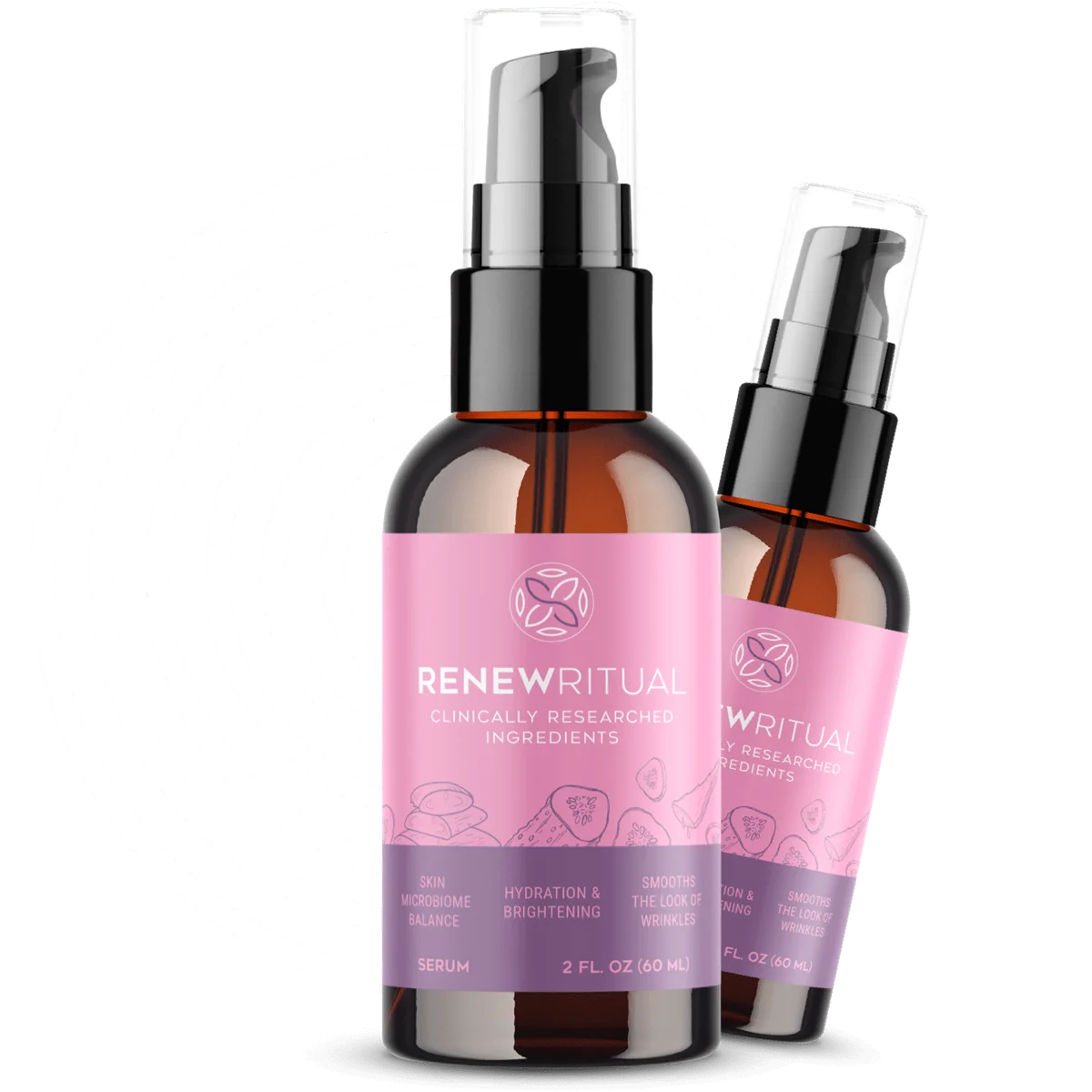
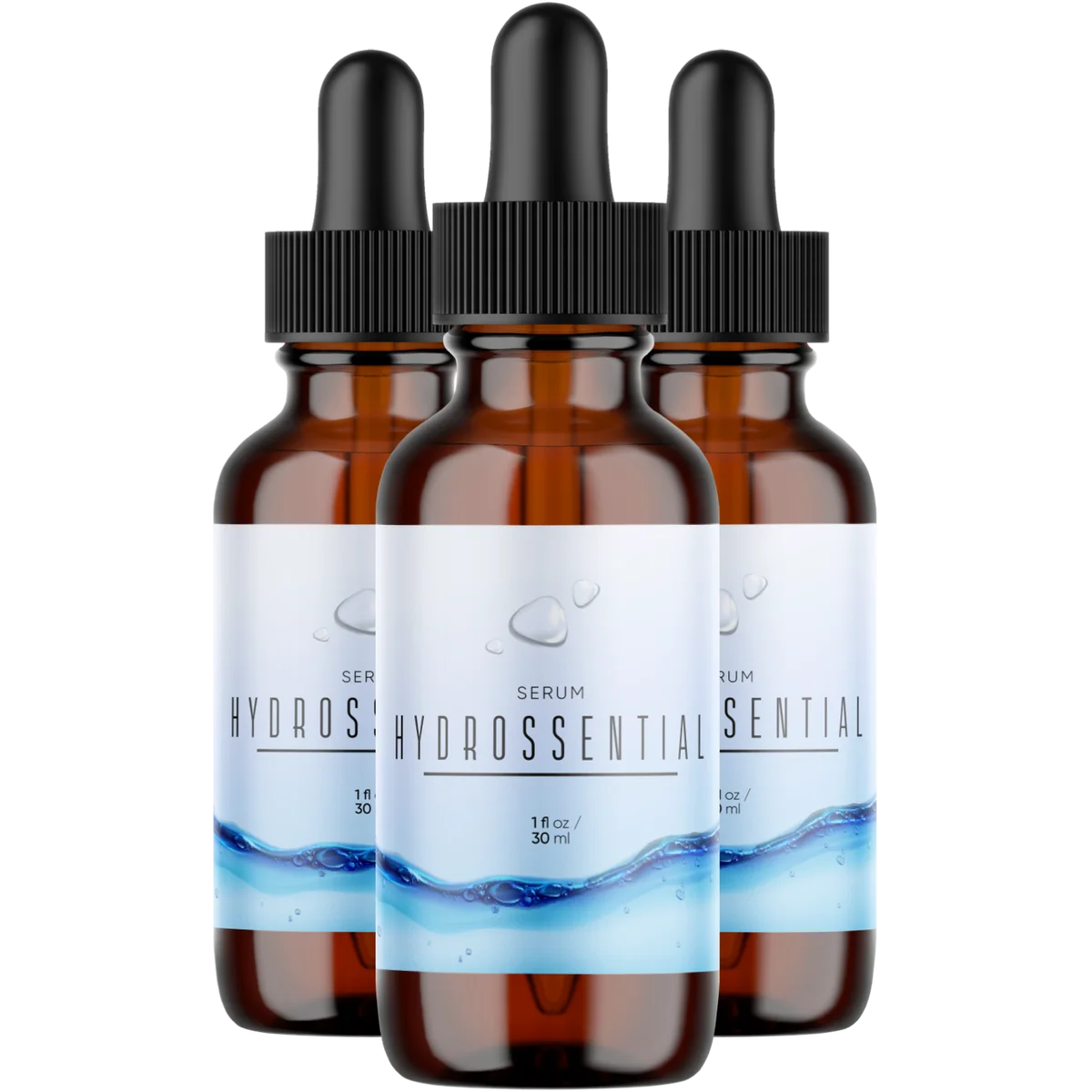
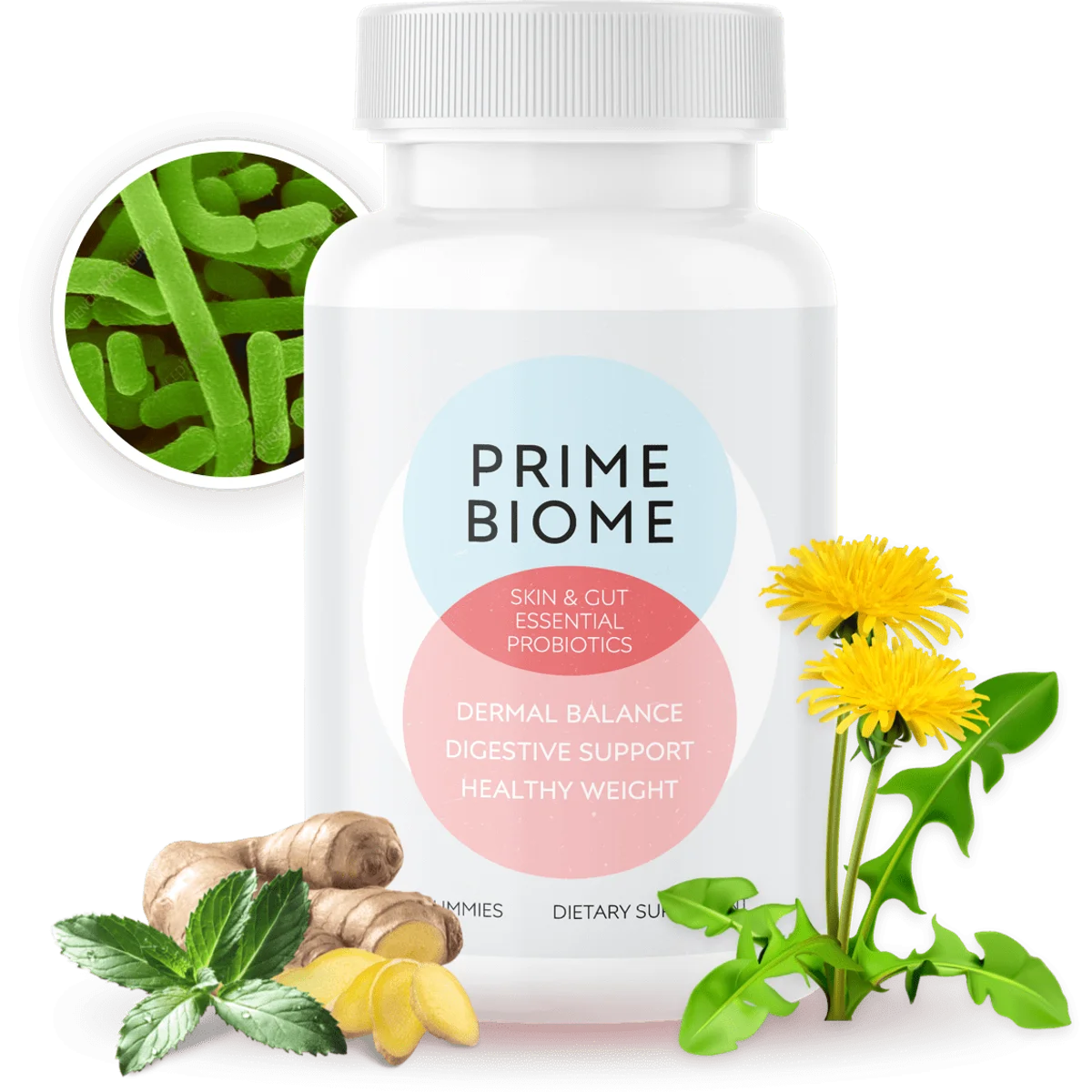
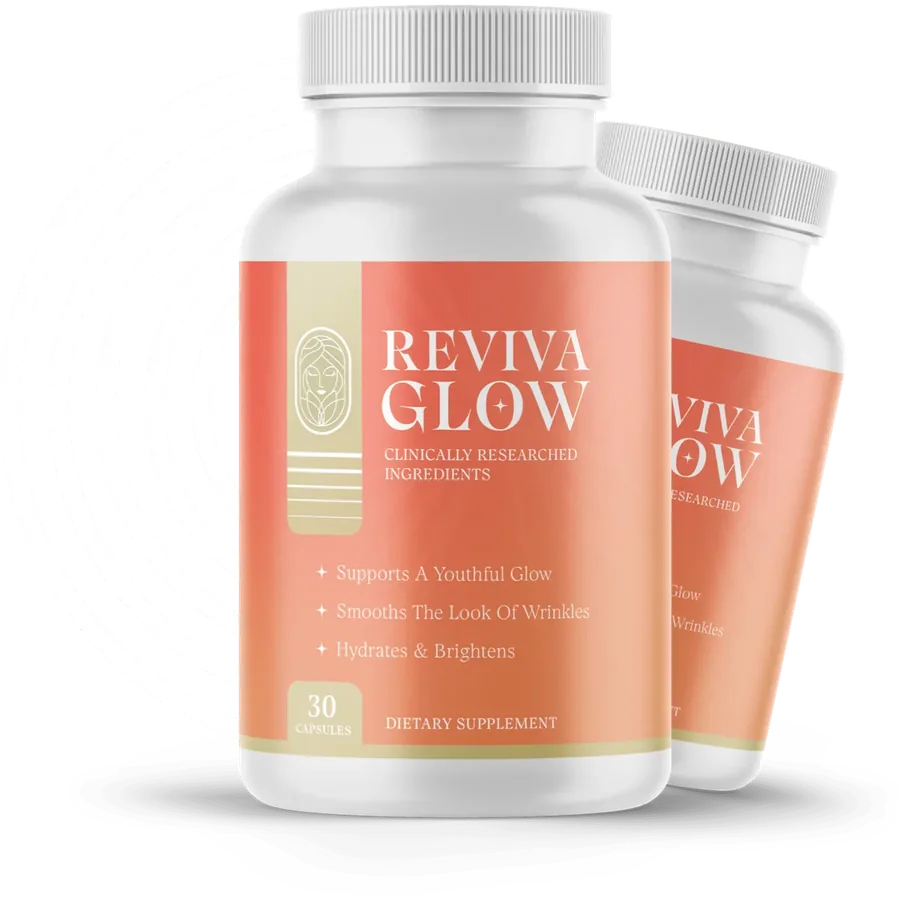
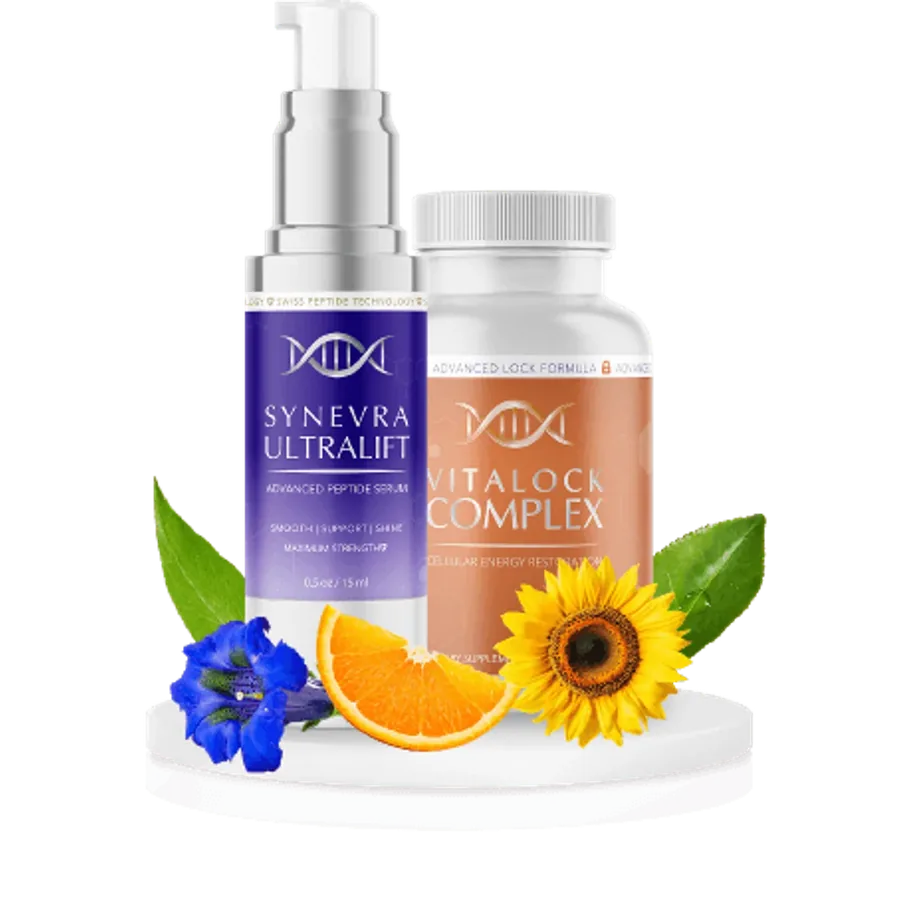
Skin HealthSynevra UltraLiftsynevraultralift.suppauditlab.com
Synevra UltraLift buyer guide with official-source verification, ingredient checks, pricing comparison, refund window, and realistic-expectation timelines for U.S. buyers.
What we screen out
We don't feature skin products that promise to "erase wrinkles," "reverse aging," "regrow collagen in a week," or deliver "instant, permanent glow" — those outcomes outrun what dermal collagen turnover and barrier repair can deliver in a serum or a bottle. We reject formulations that bury the actual active percentages (hyaluronic acid, niacinamide, collagen grams) behind a proprietary blend. Before/after photo galleries without verifiable date stamps, filter-stacked influencer endorsements, and "dermatologist-formulated" framing that doesn't name the actual practitioner are immediate disqualifiers. We also flag oral products that quietly conflate skin benefits with unrelated hair or nail claims to widen the pitch, and topical serums whose full ingredient list and patch-test guidance aren't disclosed for sensitive-skin and allergy buyers.
Skin Health buyer FAQ
Direct answers to the questions buyers most commonly ask us about skin health supplements.
How long until a skin supplement or serum shows visible results?
Skin-cell turnover runs roughly 28 days, so the first honest signal — improved hydration, a slightly more even tone — usually appears at 4 to 6 weeks with consistent daily use, and structural changes like fine-line softening or firmer texture take 8 to 12 weeks or longer. Microbiome and barrier serums often show comfort and hydration improvements sooner than collagen-driven firmness. Anything claiming overnight wrinkle erasure or instant permanent glow is describing temporary surface hydration, not a real change in the skin.
Do oral skin supplements actually work, or is it all topical?
Both have real but modest evidence at the right doses. For hydrolyzed collagen peptides, hyaluronic acid, and antioxidant micronutrients, multiple controlled trials show measurable improvements in skin elasticity and hydration over 8 to 16 weeks. Topical serums (niacinamide, hyaluronic acid, barrier ceramides, microbiome ferments) act at the surface and often show hydration and comfort benefits faster. They are a supportive layer, not a replacement for sunscreen, sleep, and a basic skincare routine. Buyers expecting cosmetic-procedure results from a bottle will be disappointed; buyers folding a daily dose into an existing routine usually notice gradual improvement.
What is the skin microbiome and why does it matter?
The skin hosts its own community of bacteria, fungi, and other microbes — the skin microbiome — that helps maintain the barrier, regulate surface pH, and keep opportunistic organisms in check. Harsh cleansing, over-exfoliation, and some actives can disrupt that balance, which shows up as dryness, sensitivity, or breakouts. Microbiome-support serums use probiotic or postbiotic ferments and prebiotics to help the surface flora rebalance. The research is younger than for collagen or hyaluronic acid, so honest products describe it as support for balance and barrier comfort, not a cure for any skin condition.
Are skin serums and supplements safe for sensitive skin?
Most hydration and barrier ingredients (hyaluronic acid, niacinamide, ceramides, panthenol) and microbiome ferments are well tolerated, but sensitive-skin buyers should still patch-test any new topical for 24-48 hours before applying to the full face, and introduce one new product at a time. Anyone with a diagnosed skin condition (eczema, rosacea, active acne) or who is pregnant or nursing should clear a new oral supplement or active serum with a clinician or dermatologist first. A credible product discloses its full ingredient list precisely so sensitive-skin and allergy buyers can check it.
Can a supplement replace my skincare routine or a dermatologist?
No. Supplements and serums are a supportive layer, not a substitute for the fundamentals — sunscreen, gentle cleansing, sleep, hydration — or for professional care when it's needed. Persistent or changing skin concerns (new or evolving moles, painful or spreading rashes, cystic acne, suspected infection) warrant a dermatologist visit rather than a supplement. We write guides for buyers who want to add a well-formulated daily layer to an existing routine, not for anyone hoping a bottle will replace clinical evaluation.
How do you decide which skin health products to feature?
We require full per-ingredient disclosure (hyaluronic acid, niacinamide percentages, collagen grams, named probiotic strains), U.S. GMP-registered manufacturing, a minimum 60-day money-back window, full topical ingredient lists with patch-test guidance, and copy that stays inside honest support language rather than promising wrinkle erasure, age reversal, or guaranteed results. Products that quietly bolt on unrelated hair or nail claims to widen the pitch get flagged. Anything failing those screens does not get a guide written, regardless of affiliate commission.
Cited research
The buyer guidance on this page is informed by peer-reviewed research. Linked sources open in a new tab and are externally hosted by NIH, NCBI, and PubMed.
- Oral collagen peptides and skin — systematic review ↗
- Niacinamide in dermatology — review ↗
- Hyaluronic acid and skin — review ↗
- Skin microbiome — review ↗
- Skin barrier function — review ↗
- Skin microbiome — Wikipedia ↗
- Hyaluronic acid — Wikipedia ↗
- Niacinamide — Wikipedia ↗
- Collagen — Wikipedia ↗
- NIH Office of Dietary Supplements — vitamin C ↗