Ingredients Guide
VisiFlora Ingredients & Label Audit
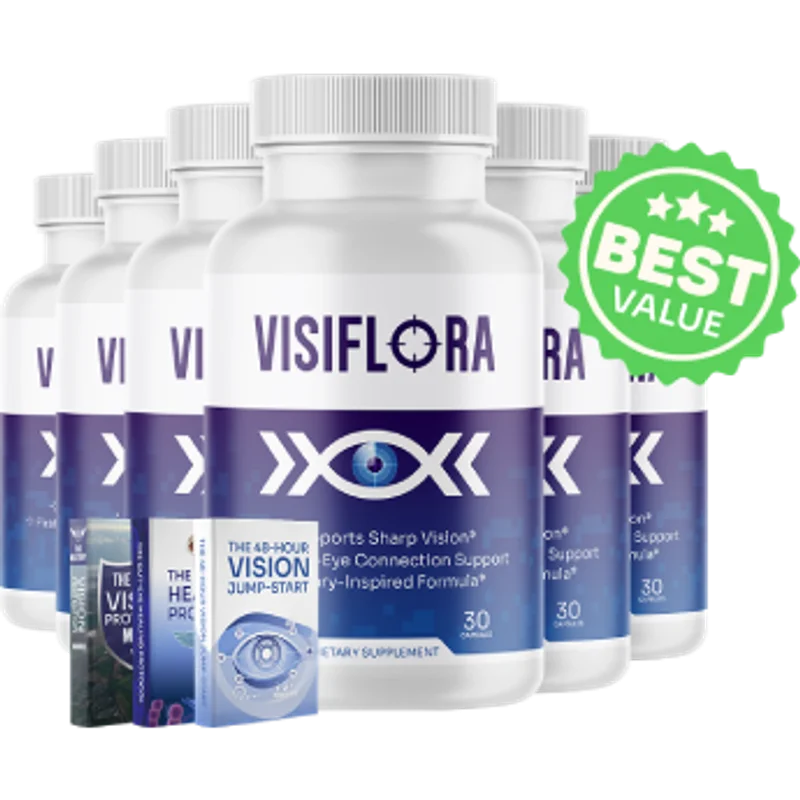
At a Glance
Before the deep-dive, the essentials:
VisiFlora Formula and Supplement Facts Panel
The most important page on any supplement product is the Supplement Facts panel. VisiFlora's formula is positioned to support daily wellness support, routine consistency, and natural-ingredient verification. The list below is the editorial team's current read on the public formula context — the live VisiFlora Supplement Facts panel on the official manufacturer page is the authoritative source for serving size, exact milligram amounts, "other ingredients" (binders, fillers, capsule material), and allergen warnings.
- Astaxanthin research ↗
- Vitamin C research ↗
- Vitamin E research ↗
- Copper research ↗
- Selenium research ↗
- Chromium research ↗
- Grape Seed Extract research ↗
- Rutin research ↗
- Quercetin research ↗
- Taurine research ↗
- Alpha Lipoic Acid research ↗
- Ginkgo Biloba research ↗
- Coleus Forskohlii research ↗
- Eyebright research ↗
- Lutein research ↗
VisiFlora Ingredients Explained — What Each One Does
Below is the plain-English breakdown of the named VisiFlora ingredients: what each one is, the mechanism it's positioned around, and an honest read on its role. Amounts live on the official Supplement Facts panel — this is the "what does it actually do" layer.
Astaxanthin
A red marine carotenoid — one of the most potent antioxidants known, studied for skin, eye and exercise-recovery support. Sourced from microalgae; premium among carotenoids.
Vitamin C
The collagen-synthesis and immune vitamin — genuinely required for skin structure and antioxidant defense. Water-soluble, so daily intake matters more than megadosing.
Vitamin E
The fat-soluble membrane antioxidant — it protects cell membranes, including skin and eye tissue, from oxidative wear. Works in partnership with vitamin C, which recycles it.
Copper
A trace mineral for iron transport, connective tissue and pigment enzymes — usually included to balance zinc, which depletes it in long-term use. Their pairing on a label is a formulation-literacy signal.
Selenium
A trace mineral behind the body's master antioxidant enzymes and thyroid hormone conversion. Brazil-nut famous; small doses cover the need.
Chromium
A trace mineral that's a cofactor for insulin signaling — insulin works better when chromium status is adequate. The honest frame: correcting a shortfall helps glucose handling; megadosing beyond adequacy adds little.
Grape Seed Extract
Concentrated proanthocyanidin antioxidants studied for vessel elasticity and circulation. The cardiovascular cousin of pine-bark extract, with overlapping evidence.
Quercetin
A flavonoid antioxidant studied for immune modulation and histamine balance — the allergy-season polyphenol. Poorly absorbed alone; look for pairing with bromelain or a phospholipid form.
Taurine
One of the most concentrated amino acids in the retina and heart muscle — tissues with relentless electrical activity. In eye formulas it's positioned for retinal support under light stress; in energy drinks, for cellular stability. Same molecule, honest in both.
Alpha Lipoic Acid
A mitochondrial antioxidant studied for glucose metabolism and nerve-comfort support — one of few ingredients bridging the blood-sugar and nerve-health categories. Both fat- and water-soluble, so it reaches tissues most antioxidants can't.
Ginkgo Biloba
The classic circulation-side cognitive botanical — studied for cerebral blood flow and working memory. Its honest role is supply-line support: better-perfused tissue, whether brain or retina.
Coleus Forskohlii
Coleus forskohlii's active compound forskolin raises cyclic AMP, a cellular messenger involved in fat-mobilization signaling. It also has an ophthalmic and circulation research history — one of the few botanicals appearing in both weight and eye formulas.
Eyebright
A traditional eye-comfort botanical — literally named for the job it's been used for since medieval herbalism. In modern formulas it plays the soothing role while the amino acids and minerals do the metabolic work.
Lutein
The macular pigment carotenoid — it literally sits in the retina's central vision zone absorbing blue light. One of the best-evidenced ingredients in all of eye nutrition; intake tracks directly with macular pigment density.
Educational context on each ingredient's general, well-documented role — not a claim that VisiFlora's specific dose produces a specific result. Verify the per-ingredient milligrams on the official label; effects depend on dose, form and the individual.
What to look for on the VisiFlora label
- Per-ingredient milligram amounts — disclosed individually, NOT hidden inside a "proprietary blend" total. Proprietary blends prevent buyers from evaluating whether any ingredient is dosed at a research-relevant amount.
- Serving size — the milligram amounts only mean something against the per-serving context. A "1000mg" ingredient at a 4-capsule serving = 250mg per capsule.
- "Other ingredients" section — capsule material (vegetable cellulose vs gelatin), binders, flow agents (magnesium stearate), and fillers. Important for buyers with allergen concerns.
- Allergen warnings — soy, dairy, gluten, tree nuts, shellfish. Important if you have a confirmed allergy.
- Storage instructions — temperature and humidity exposure can degrade certain ingredient classes (probiotics, fish oils, fat-soluble vitamins).
How ingredients in this category typically work
Ingredients in the eye health space are typically positioned around daily wellness support, routine consistency, and natural-ingredient verification. The honest framing: most natural supplement ingredients have meaningful research at specific doses in specific populations — but commercial formulas often include "research-supported" ingredients at meaningfully lower doses than the actual research used. That's why per-ingredient milligram disclosure matters so much, and why proprietary blends are screened out of the SuppAudit Lab editorial network.
For broader context on how the editorial team evaluates ingredient transparency, see the four-screen editorial methodology. For the ranked eye health listing with per-product ingredient transparency notes, see the best eye health supplements guide.
VisiFlora Official Bundle Pricing
These are the current official packages — the multi-bottle bundles are the brand's permanent discount mechanism, and the only route to its genuine lowest per-bottle price:
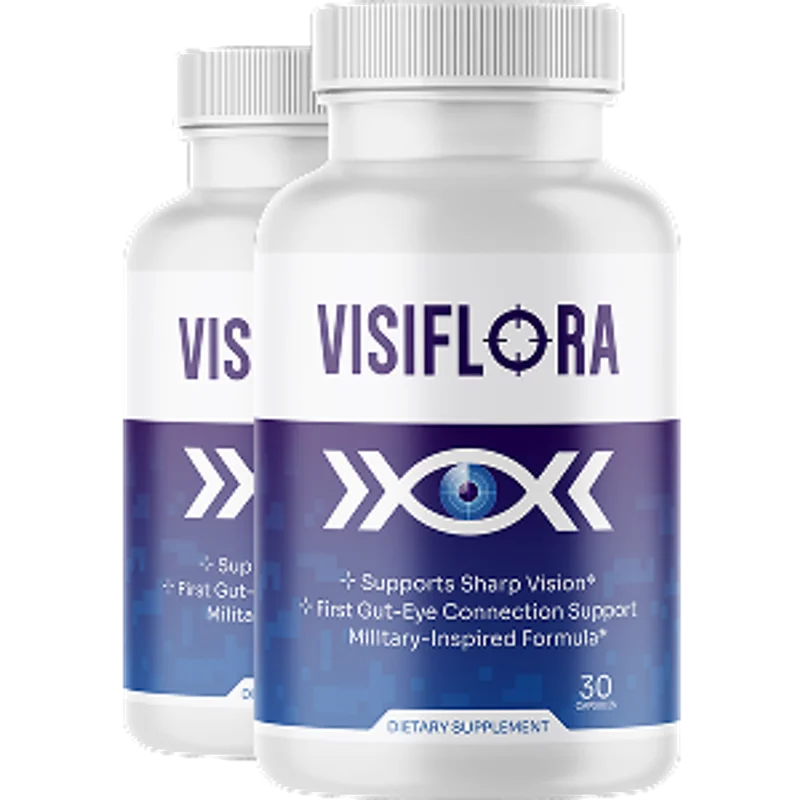
- ✓ 60-day money-back guarantee
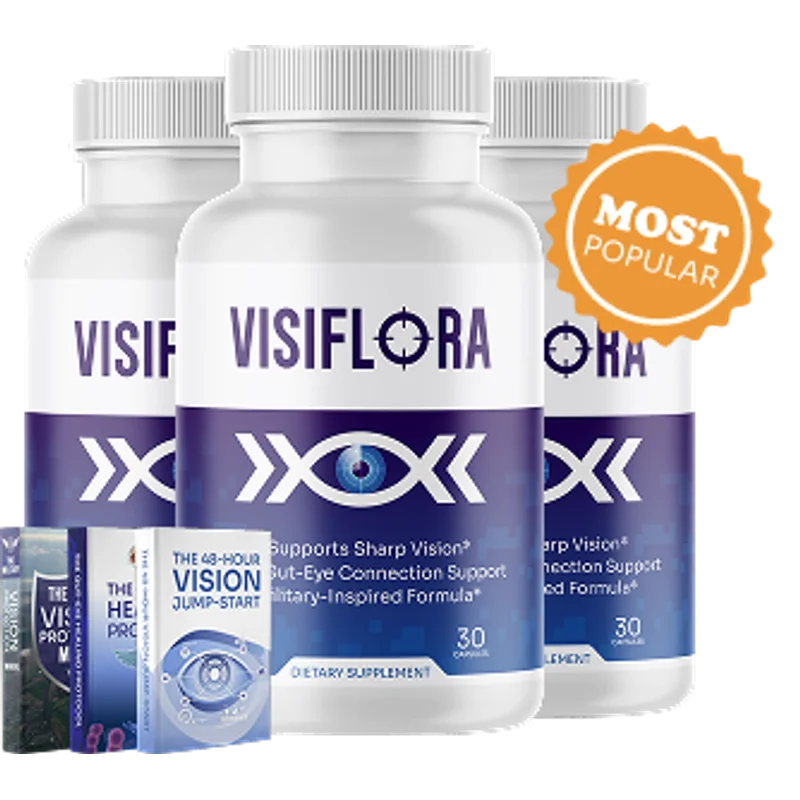
- ✓ Free U.S. shipping
- ✓ 2 free bonuses included
- ✓ 60-day money-back guarantee
- ✓ Free U.S. shipping
- ✓ 2 free bonuses included
- ✓ 60-day money-back guarantee
Prices as published on the official page — verify live totals at checkout before ordering.
Research & References
Independent, third-party studies on each key ingredient — check the evidence yourself before you buy:
- Astaxanthin — PubMed research ↗
- Vitamin C — PubMed research ↗
- Vitamin E — PubMed research ↗
- Copper — PubMed research ↗
- Selenium — PubMed research ↗
- Chromium — PubMed research ↗
- Grape Seed Extract — PubMed research ↗
- Rutin — PubMed research ↗
- Quercetin — PubMed research ↗
- Taurine — PubMed research ↗
- Alpha Lipoic Acid — PubMed research ↗
- Ginkgo Biloba — PubMed research ↗
Authority sources: NIH Office of Dietary Supplements ↗ · PubMed Central ↗
Claim reality check
Dietary supplements are not reviewed like FDA-approved drugs before sale. Buyers should verify the official label, ingredient list, dosage, refund policy, and seller details before ordering. Avoid relying only on dramatic results, unverifiable review counts, unclear trust badges, or instant-result promises.
Natural wellness products should be evaluated with realistic expectations. Results vary by person, routine, diet, sleep, health conditions, and current medications.
Ready to check VisiFlora for yourself?
The official page has the current bundle pricing, the 60-day guarantee terms, and the live Supplement Facts panel — everything this guide told you to verify.